Liveaboard.com

Espanola Island Adventure Cruises

Our guests rated adventure cruises in Espanola Island as 9.3

  • 100% Best Price Guarantee

Adventure Cruises in Espanola Island

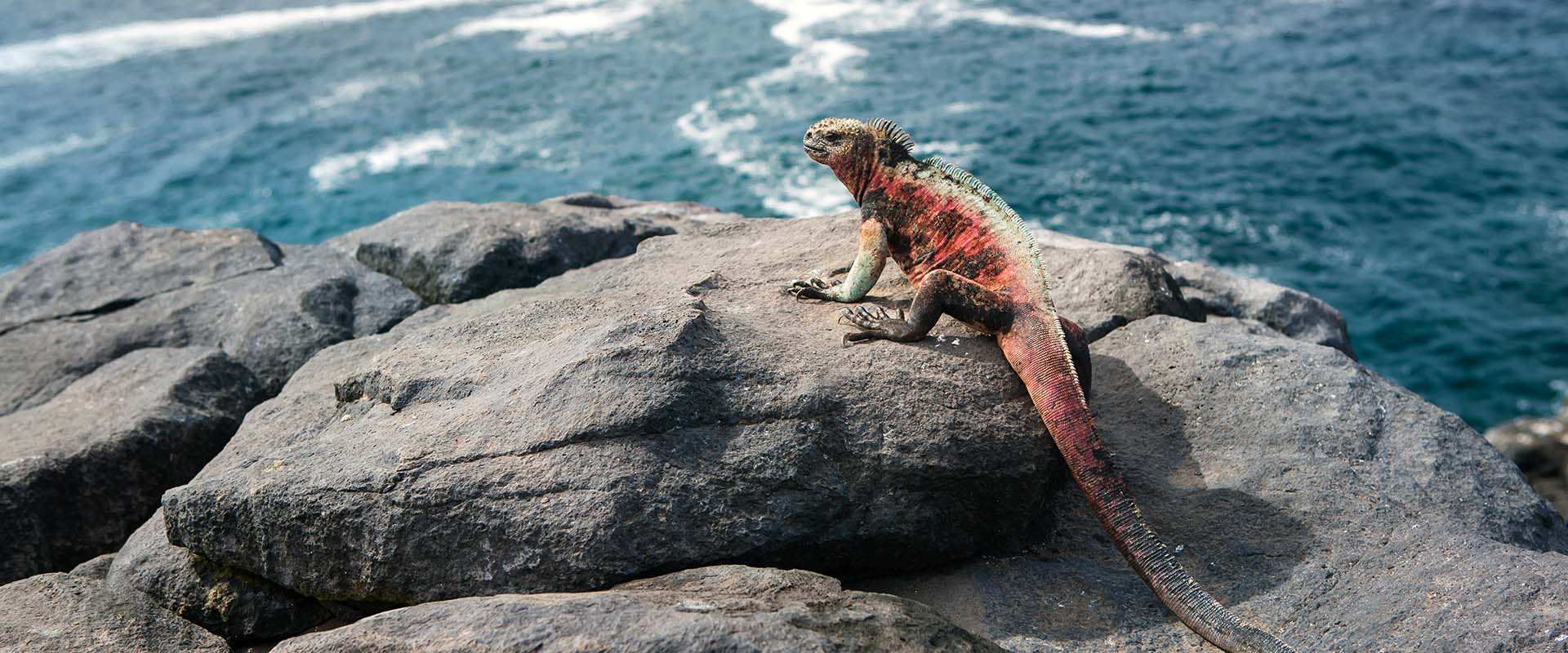
Espanola Island is a beautiful destination in the Galapagos Islands of Ecuador and a must-see place on any of the Galapagos cruises you choose. It lies to the southeast of the archipelago and is a favorite travel spot for lovers of naturalist tours. It’s easy to see native animals such as marine iguanas, lava lizards, and the waved albatross.

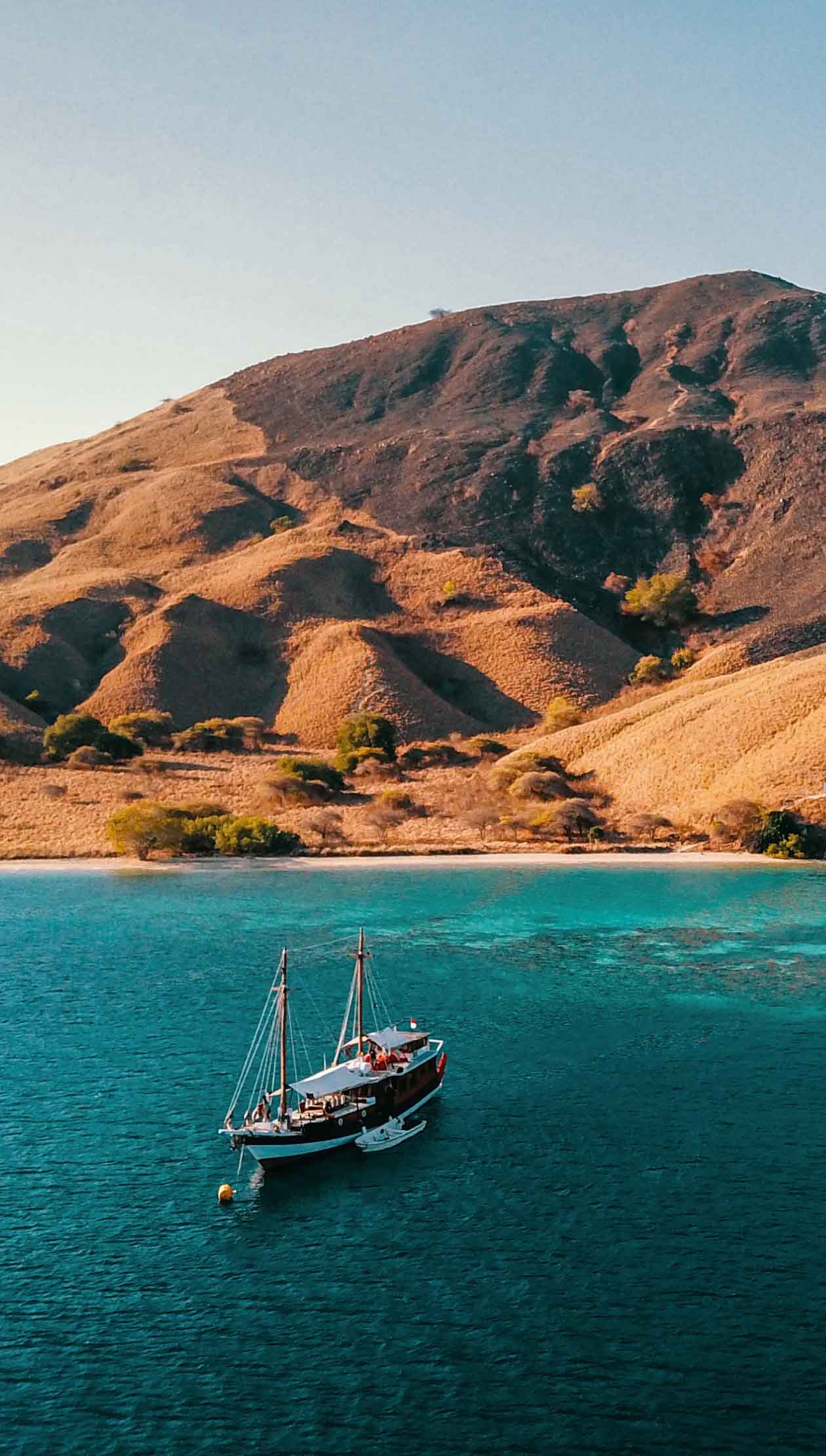
Adventure cruise fans also favor Espanola, as it is a great place to take small yachts for a spin. Seagoers have a host of small luxury yachts to choose from since tourism and boating are popular pastimes in the region.

The small island is 23 square miles, and its highest point rises 675.6 feet (206m) above sea level. Experience the unique flat landscape with small, gentle hills shaped by volcanic activity from the water for amazing views. Don’t forget to soak up some of that famous Galapagos sun.


Top things to do and see on Espanola Island

Suarez Point is a popular place on the seafront of Espanola, especially for birding and naturalist tours. The striking blue-footed boobies, albatrosses, and Hood mockingbirds call the area home and make for incredible Galapagos wildlife encounters. The albatrosses use a nearby cliff as a launching spot, letting visitors see them breathtakingly soar.

The sight the birds set is truly incredible. Albatrosses are large grey and white birds that are easy to spot, but the sheer number of them sometimes appears like a blanket on the landscape. The beautiful plumage almost seems to have been created by an artist as it fades from deep grey to brilliant white, including the bird’s feet!

The most famous attraction at Suarez Point is the incredible blowhole that shoots water straight into the air at an impressive height. It’s as if the earth has a pressure valve directly on-site, and visitors can see this in all its awesome splendor. It’s the power of the earth before your very eyes.

All in all, Suarez Point is a dream for a nature lover or photographer. Experienced hikers should also take note and head out for a 1.9-mile hike through the Point. It’s rated difficult, so it's best saved for top-notch contenders.

Across the island on the eastern side is Gardner Bay. Even more, albatrosses are in store for visitors here. Nearly every one of them, approximately 12,000 pairs, breed in this spot annually. As if that isn’t enough, the expanse of white sand beach is constantly peppered with sea lions.

It’s easy to understand why travelers favor Gardner Bay for snorkeling, kayaking, hiking, and dinghy rides. The hiking trail here is much easier than Suarez Point and suitable for different experience levels.

It’s equally clear why Darwin was so fascinated with the Galapagos Islands. There is such a vast array of creatures that call the islands home. Have your camera ready for the best moments of your adventure cruise and personal Galapagos wildlife encounter.

Speaking of Darwin, nature lovers can’t miss The Charles Darwin Research Station (CDRS) on Puerto Ayora, Santa Cruz, Galapagos. This active breeding center and research station is both educational and another ideal spot for photography lovers.

Best time to cruise Espanola Island

Espanola has only two seasons: the warm season between December and May and the dry season between June and November. Both have their strengths, but you’ll want to plan ahead to pick the best time to visit to see wildlife or to have your own Galapagos wildlife encounter.

During the warm season, visitors to the Galapagos in December will see a sky that is always clear and full of the bright sun. Rain falls more frequently in February, March, and April.

Come to Galapagos in June, and you’ll experience slightly cooler weather but the best diving conditions. This ideal diving season continues in Galapagos through July, August, September, and November.

If you want to see albatrosses during the breeding season, April through November, avoid the chance of rain by timing your birding trip in May, when the weather should be warm and dry.

Where do Espanola Island cruises depart from?

Finding out how to get to the Galapagos is essential to your plan. Before you set out on your small luxury yacht for the adventure cruise of your life, you have to get to Ecuador.

From Ecuador, travelers will fly into the Galapagos from Quito in the Andes mountains or Guayaquil on the coast. The two main airports in Galapagos are Baltra, a small island north of Santa Cruz, and San Cristobal, the archipelago's easternmost island. You can easily depart on a Galapagos cruise from Puerto Ayora or Baltra.

Book your next adventure cruise to Espanola Island in the Galapagos Islands.


Espanola Island Adventure cruise reviews

  • Rating 9.3 out of 10
  • 9.3 Superb
  • Rating 10.0 out of 10
  • 10.0 Exceptional
  • Tanya R
  • Flag of United StatesUnited States

The white sand beach and turquoise waters were my favorite! Paradise!

Cruising Espanola Island in November on the Solaris
  • Rating 8.0 out of 10
  • 8.0 Very good
  • Shawna C
  • Flag of United StatesUnited States

Guided experience and variety of endemic animals seen.

Cruising Espanola Island in September on the Galaxy Orion
  • Rating 8.0 out of 10
  • 8.0 Very good
  • Roger B
  • Flag of United StatesUnited States

Hike to Suarez point was wonderful. Seeing nesting boobies and albatross. Very scenic.

Cruising Espanola Island in May on the EcoGalaxy
  • Rating 9.6 out of 10
  • 9.6 Exceptional
  • Erica K
  • Flag of United StatesUnited States

The wildlife and landscape viewed on the beautiful hike in Santa Cruz was amazing. So many birds, boobies, hawks, heron, etc. around the cliffs.

Cruising Espanola Island in March on the Treasure of Galapagos


What to know about adventure cruising in Espanola Island

What's the best time to visit the Galapagos Islands?

The two main seasons are warm and wet (December–May, with sea temps around 75°F / 24°C, calmer water, better visibility for snorkeling) and cool and dry (June–November, with cooler air, garúa mist, and busy seabird activity). For Española specifically, April–December is best — that's when waved albatrosses nest at Punta Suárez.

Why are the Galapagos Islands important?

They're a living natural laboratory where roughly 97% of native reptile species and around 80% of land birds are found nowhere else on Earth. The 1959 designation of the islands as Ecuador's first national park and UNESCO World Heritage status in 1978 helped protect endemic populations, such as Española's giant tortoise and waved albatross.

What did Darwin study on the Galapagos Islands?

Beyond birds and reptiles, Darwin collected plants, insects, fish, and rocks across multiple islands. He noted that closely related species varied subtly between islands — including the distinct giant tortoise shells from Española vs. Santa Cruz — which became central evidence for natural selection.

What makes the Galapagos Islands unique?

It's the combination of equatorial location, isolation 605 miles (974 km) offshore, and overlapping ocean currents — which together produced species like marine iguanas, flightless cormorants, and the waved albatross that breeds almost exclusively on Española. Animals here also evolved without land-based predators, so they're famously unafraid of humans.

What is so special about the Galapagos Islands?

Each island has its own micro-climate and resident wildlife, so visitors often spot a different mix of species every day. Española alone hosts nesting waved albatrosses from April to December, the colorful "Christmas" marine iguana, and the Hood mockingbird — none of which live anywhere else.

Why are the Galapagos Islands considered young?

Even the oldest islands are less than 5 million years old — geologically very young compared to most island chains. Española is among the oldest visible above water, but the underlying hotspot has been active for at least 20 million years, building and submerging earlier islands as the plate drifted.

What animals did Darwin study on the Galapagos Islands?

Finches, mockingbirds, giant tortoises, and marine iguanas were the headliners — and Española's Hood mockingbird, with its distinctive long curved bill, was one of the four mockingbird species whose differences first caught his attention. The Española tortoise nearly went extinct but has been brought back from 14 individuals to over 2,000 through a captive-breeding program.

What did Charles Darwin study on the Galapagos Islands?

Darwin worked as the HMS Beagle's naturalist, collecting and labeling specimens from every accessible site. His most consequential observations were on Española, San Cristóbal, Floreana, and Isabela — the four islands he actually set foot on during the Beagle's five-week visit in 1835.

How old are the Galapagos Islands' easternmost sites?

The eastern islands — Española, San Cristóbal, and Santa Fe — are the oldest, dating to around 3 to 4 million years. Española sits at the far southeast edge and has eroded significantly compared to the still-growing western islands.

Where is Española Island?

Española is the southernmost island in the Galapagos, about 56 miles (90 km) southeast of Santa Cruz. It's one of the oldest islands, at around 3.5 million years, and is only reachable by live-aboard cruise — no day trips.

We’re here to help, 24/7.

Connect with our expert travel consultants to plan your next trip.

  • Nina Kapp
  • Nicole Laughlin
  • Mylene Issartial
  • Farah Celada-Benito
  • Josue Zarco
  • Andrea Martinez
  • Oksana Kovaleva