Liveaboard.com

Socorro Island Liveaboard Diving

Our guests rated liveaboard diving in Socorro Island as 9.0

  • 100% Best Price Guarantee

Liveaboard Diving in Socorro Island

Mexico Dive Site: Socorro Island

Socorro, or the Revillagigedo Archipelago, is a group of four volcanic islands in the Pacific Ocean about 400km (250 mi) off the coast of the southern tip of Baja California, a southwestern state of Mexico. Socorro Island is one of these four islands and is most popular for the different pelagic species you can see and dive with. The other three islands are Roca Partida, San Benedicto, and Clarion, all incredible dive sites in their own ways.

Socorro Island is a year-round dive area, but each season brings its gems. The calmest seas are from November to May, with the waters being around 28 degrees Celsius (82 degrees Fahrenheit) in November, 21 degrees Celsius (69 degrees Fahrenheit) in February, and back up to 25 degrees Celsius (68 degrees Fahrenheit) in May. These winter months also bring the main spectacles; the thousands of humpback whales that come here to breed and many Pacific manta rays. The visibility here depends solely on the plankton in the water, which depends on the moon, but in general, the visibility varies from 15 - 50m (49 - 164ft).

Socorro Island is a more advanced diving area as sometimes there are strong currents and big waves, and most dive spots are quite deep; however, each liveaboard has its minimum dive experience level, and most expect to have your Advanced Open water with at least 50 logged dives, but there are a few which only need you to have your Open Water and no minimum logged dives. Please keep this in mind.

What You Can See

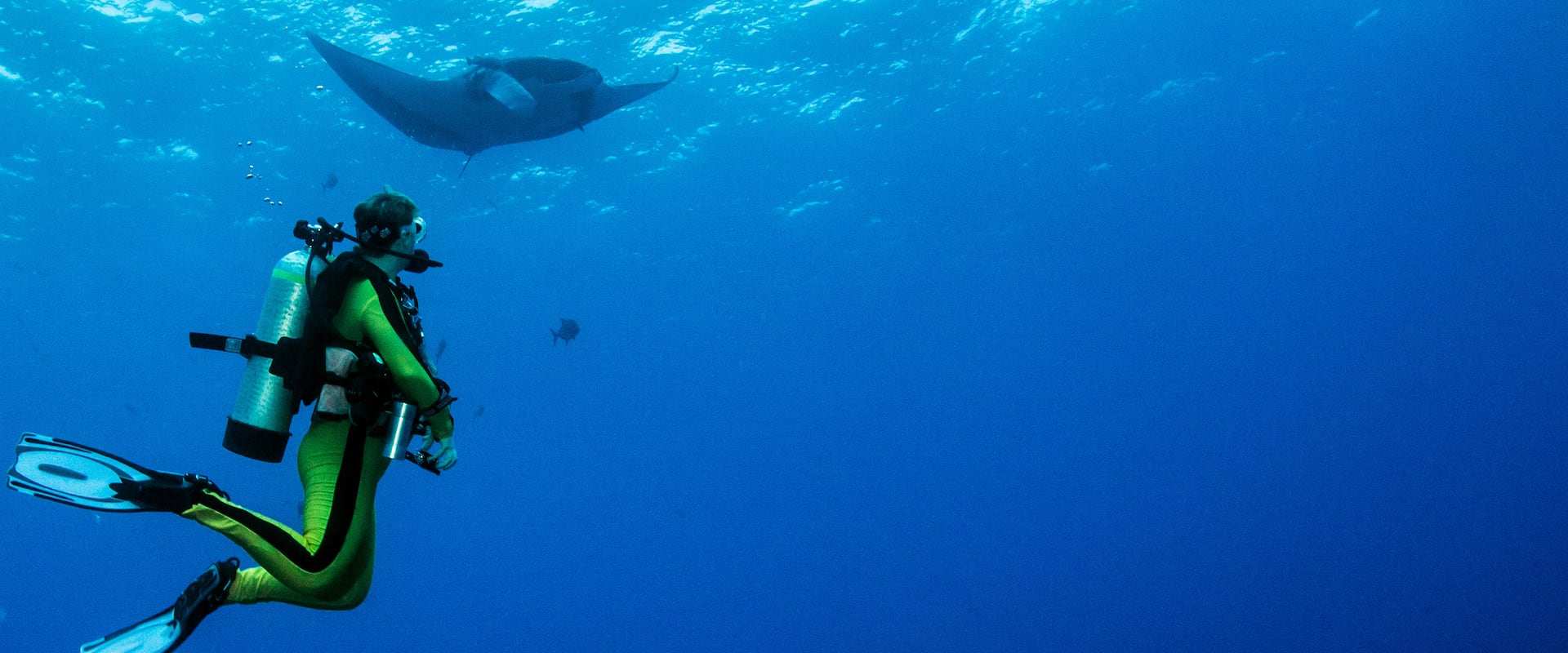
Socorro Island is the place to go if swimming with large marine life is what you desire to do; it is truly a pelagic paradise. From January to March, you can swim with some extremely curious and playful pods of wild Bottlenose Dolphins, and from January to April, there are thousands of Humpback whales in their breeding season, which is an impressive, unique, and unforgettable experience. Throughout the year, there are numerous Pacific Manta Rays, one of the most popular spectacles here; they are some of the largest in the world with extremely wide wingspans measuring up to 7m (22ft) with who you can 'fly' through the water. Sharks are also around all year, with species such as Silky sharks, Galapagos sharks, white tips, and silvertip sharks.

This archipelago of islands is part of a protected biosphere reserve, and many conservation organizations are working around here to preserve the unique wildlife which inhabits and passes here. Socorro diving area is not a coral reef, so do not expect bright colors everywhere, but once you spot the spectacular marine wildlife you won't be able to focus on much else anyways!

Getting To Socorro Island

This island is only accessible via Mexico liveaboard. Because this island is mostly uninhabited, this is the perfect way to get away from the busy cities and get a good quality experience with some of the best the oceans have to offer. Liveaboard.com currently offers six different liveaboards that visit these sites, all different to suit anyone's desires.

There are two ports from which the liveaboards we have to offer depart from, these are Cabo San Lucas and San Jose del Cabo. These are both cities in the state of Baja California and located in the most Southern municipality, Los Cabos in Mexico. The closest international airport to these two cities is Los Cabos International Airport, which has flights arriving from the United States, Canada, and other Mexican Cities.


Socorro Island Diving Reviews

  • Rating 9.0 out of 10
  • 9.0 Superb
  • Rating 10.0 out of 10
  • 10.0 Exceptional
  • Ted S
  • Flag of United StatesUnited States

Surprisingly not as much to see but still great dives.

Diving Socorro Island in May on the Rocio del Mar
  • Rating 10.0 out of 10
  • 10.0 Exceptional
  • Pamela (Suzy) R
  • Flag of United StatesUnited States

The dive sites at Socorro are legendary for a reason. Amazing variety of marine life and constant activity at the cleaning stations.

Diving Socorro Island in February on the Nautilus Belle Amie
  • Rating 9.2 out of 10
  • 9.2 Superb
  • Steve G
  • Flag of United StatesUnited States

Lots of Sharks and octopus.

Diving Socorro Island in February on the Adventure
  • Rating 9.2 out of 10
  • 9.2 Superb
  • Robert L
  • Flag of United StatesUnited States

The sea conditions (visibility and current) were not great at the time we dove this island, but we still enjoyed the sealife.

Diving Socorro Island in February on the Valentina


What to know about diving in Socorro Island

What is Socorro Island?

Socorro Island is the largest of the four islands in Mexico's Revillagigedo Archipelago, a remote volcanic outpost in the Pacific roughly 240 miles (386 km) south of the tip of Baja California. It's uninhabited except for a small Mexican naval station, and it's known worldwide among divers as the "Mexican Galápagos" for its close encounters with giant Pacific manta rays, schooling hammerhead sharks, and seasonal humpback whales. The island is accessible only by multi-day liveaboard.

What are the Revillagigedo Islands?

The Revillagigedo Islands are a group of four volcanic islands in the Pacific — Socorro, San Benedicto, Roca Partida, and Clarión — located roughly 250–400 miles (400–640 km) off the southern tip of Baja California. The archipelago is a UNESCO World Heritage Site and one of the world's top big-animal diving destinations, often compared to Cocos Island and the Galápagos for its concentration of pelagic species. All access is by liveaboard, since the islands have no tourist infrastructure.

What is Revillagigedo National Park?

Revillagigedo National Park is the marine protected area covering the waters around the four Revillagigedo Islands, established in 2017, and is one of the largest fully protected marine reserves in North America. The designation limits fishing and tourism activities to help protect the region's shark, manta ray, and whale populations. As of 2026, liveaboard diving remains permitted within the park, subject to a marine park entry fee and visitor limits.

What is diving like at Socorro Island?

Diving at Socorro is advanced, open-ocean diving: expect strong currents, depths that can exceed 100 ft (30 m), and long swims in blue water waiting for pelagic life to appear. Most liveaboards require Advanced Open Water certification and 50–100 logged dives, since conditions can change quickly. In return, divers see giant Pacific manta rays, schooling hammerheads, dolphins, and — in season — humpback whales.
What is a Socorro liveaboard trip like?

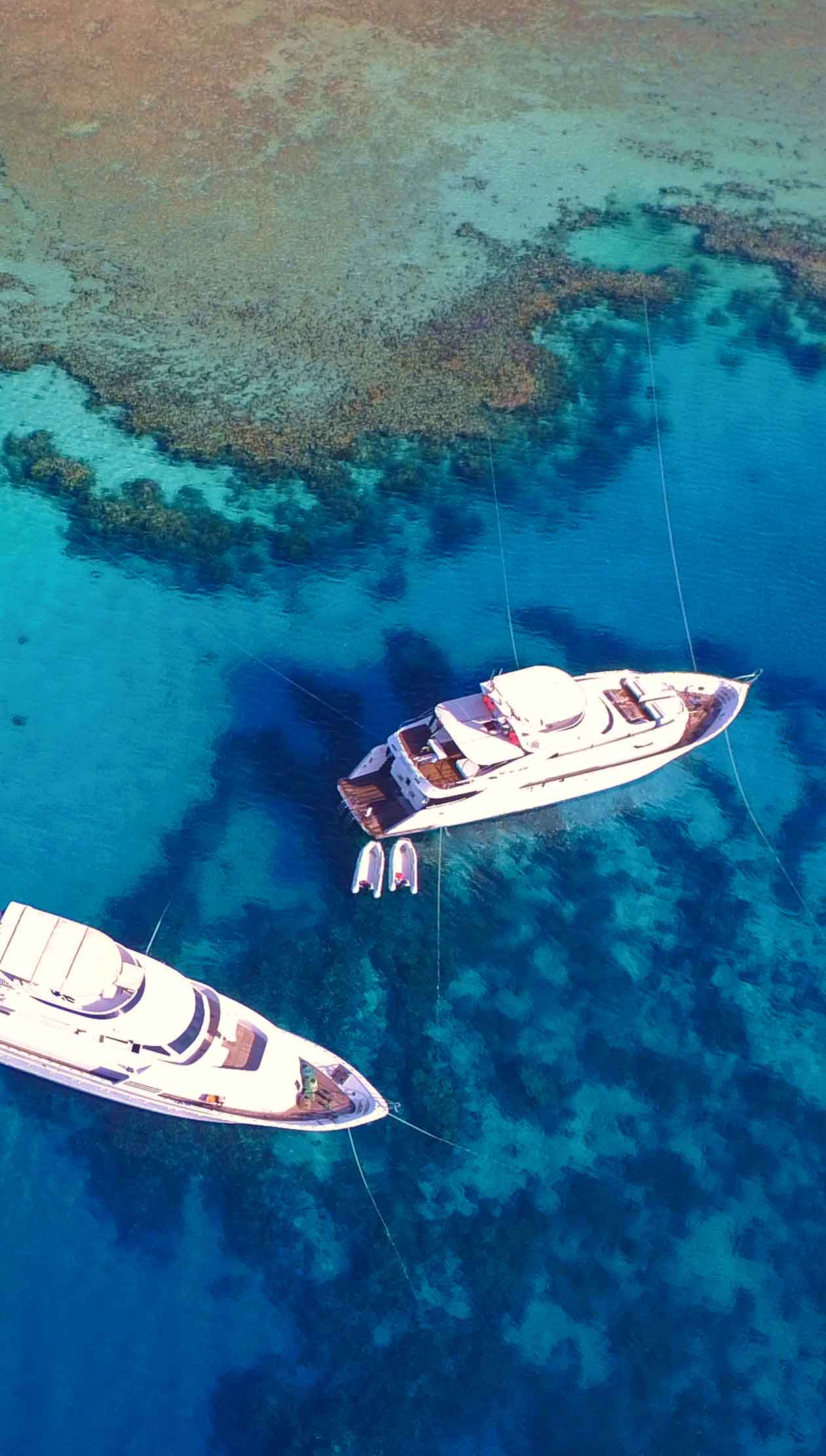
A typical Socorro liveaboard runs 8–10 days round-trip from Cabo San Lucas, with the crossing to the islands taking around 24–30 hours each way. Trips include 5–7 full diving days with three to four dives daily, rotating between Socorro, San Benedicto, and Roca Partida depending on conditions. Cabins, meals, and Nitrox are typically included; flights to Cabo San Lucas are not.

What islands make up the Revillagigedo Archipelago?

The archipelago comprises four volcanic islands: Socorro, the largest and home to the region's naval base; San Benedicto, known for the manta-ray cleaning station at El Boiler; Roca Partida, a tiny pinnacle famous for shark encounters; and Clarión, the most remote and rarely visited due to the extra sailing time required. Most liveaboards visit the first three; only a handful of longer itineraries reach Clarión.

How do you get to Socorro Island?

Socorro Island is accessible only by liveaboard departing from Cabo San Lucas or, less commonly, Puerto Vallarta, with the open-ocean crossing taking roughly 24–30 hours each way. There are no scheduled flights or ferries, and independent boat access isn't practical given the distance and permit requirements. Booking a multi-day Revillagigedo liveaboard is the only realistic way to dive here.

What's the weather like at Socorro Island?

Socorro's dive season runs roughly from November through June, avoiding the Eastern Pacific hurricane season, which peaks from July through October. Air and sea conditions are generally calmest from April to June, while winter months bring cooler water and the best chances of humpback whale sightings. As of 2026, most liveaboard operators schedule departures within this November–June window.

What is the water temperature at Socorro Island?

Water temperature at Socorro varies by month, running from around 68°F (20°C) in the cooler winter months up to roughly 82°F (28°C) later in the season. Most divers wear a 5–7mm wetsuit year-round given the strong currents and long bottom times. Visibility is generally excellent, often 60–100 ft (18–30 m), though it can drop during plankton blooms that also attract whale sharks.

Where is Socorro Island?

Socorro Island sits in the Pacific Ocean roughly 240 miles (386 km) south of the southern tip of Baja California, within Mexico's Revillagigedo Archipelago — closer to Baja than to mainland Mexico. It's the largest of the archipelago's four islands and the only one with a permanent presence, via its small naval station. The open-ocean setting means weather and sea conditions can shift quickly, so trip timing follows the November–June dive season.

What marine life can you see diving at Socorro Island?

Socorro's signature encounter is the giant Pacific manta ray, some with wingspans over 20 ft (6 m), which regularly approach divers at cleaning stations. Schooling hammerhead, silky, and Galápagos sharks are common in the blue, along with resident bottlenose dolphins that often stay to play. Humpback whales pass through seasonally, and whale sharks are an occasional bonus sighting.

When is the best time to dive Socorro Island?

The Socorro dive season runs November through June, with hammerhead schools most reliable from January through March and calmer seas typically from April through June, when silky shark activity also peaks. Humpback whales are most likely to be seen from January through March. Outside this window, most operators pause trips for the Eastern Pacific hurricane season.

What diving experience level is needed for Socorro Island?

Socorro is not a beginner destination — most liveaboards require Advanced Open Water certification, 50 or more logged dives, and comfort with strong currents and open-ocean conditions with no reef to hold onto. Nitrox certification is recommended given the dive depths and durations. Divers with limited experience are generally better served starting in the Sea of Cortez or Cabo Pulmo before attempting Socorro.

What are the main dive sites near Socorro Island?

Cabo Pearce, a rocky finger of reef on Socorro's east side, is known for manta cleaning stations and near-daily bottlenose dolphin encounters. Punta Tosca offers lava-rock topography and playful dolphins, while The Canyon is the go-to site for large schools of hammerhead sharks. Liveaboards typically rotate between these sites and nearby San Benedicto and Roca Partida, depending on conditions.

Is Socorro Island included on Revillagigedo liveaboard itineraries?

Yes — Socorro is the namesake and most-visited island on virtually every Revillagigedo liveaboard itinerary, typically combined with San Benedicto and Roca Partida over an 8–10 day trip. Clarión Island, being significantly farther west, is only included on a small number of longer or specialized itineraries. Most itineraries depart from and return to Cabo San Lucas.

We’re here to help, 24/7.

Connect with our expert travel consultants to plan your next trip.

  • Mylene Issartial
  • Andrea Martinez
  • Juliane Ball
  • Nina Kapp
  • Josue Zarco
  • Oksana Kovaleva
  • Ester Canali